
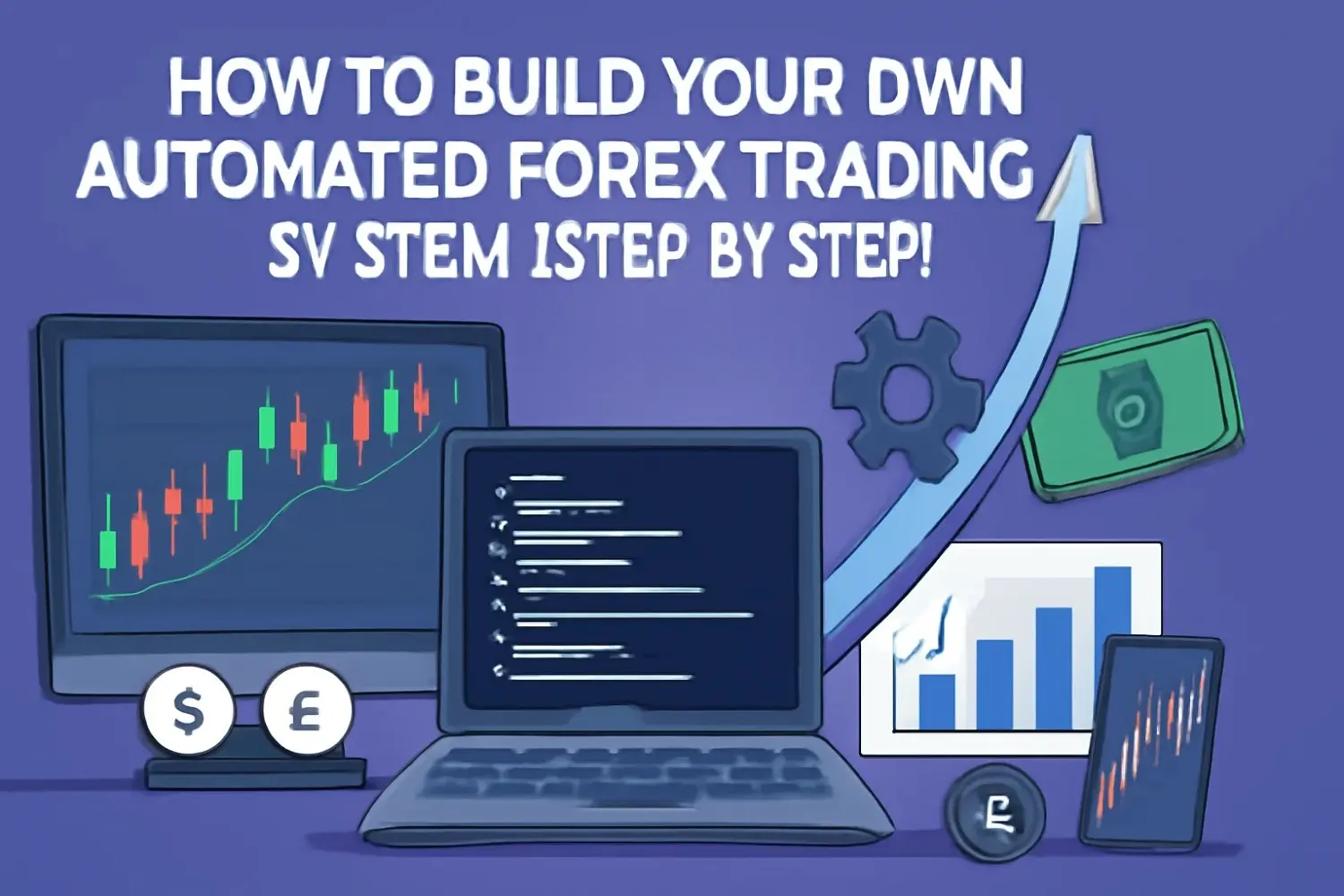
Building an automated Forex trading system is a dream for many traders who wish to make their trades more efficient, consistent, and profitable. With the help of technology, you can automate the process of executing trades based on predefined criteria without the need to manually monitor the markets. This allows you to remove emotions from trading, take advantage of opportunities even when you’re not actively looking, and optimize your trading strategy. This step-by-step guide will walk you through the process of building your own automated Forex trading system.
Understanding the Basics of Forex Trading Automation
Before diving into the steps of building your own automated system, it’s important to understand the fundamentals of Forex trading and automation. Forex trading, also known as FX trading or currency trading, involves buying and selling currencies on the foreign exchange market. The goal is to profit from changes in the value of one currency relative to another.
Automation in Forex trading involves using software to place trades on your behalf based on predetermined parameters such as market conditions, indicators, or algorithms. The automated trading system runs continuously, analyzing the market and executing trades in real time, without manual intervention.
There are two main types of automated trading systems:
- Rule-based Systems: These systems follow predefined rules that dictate when to buy or sell a currency pair. They might be based on technical indicators or chart patterns.
- Machine Learning-based Systems: These systems use algorithms and machine learning techniques to learn from historical data and make decisions based on patterns that are too complex for rule-based systems to recognize.
Understanding the difference between these two types will help you decide which method to use when building your own trading system.
Step 1: Define Your Trading Strategy
The first step in building an automated Forex trading system is to define your trading strategy. Without a solid strategy, your trading system will not have a clear objective, which can lead to failure. The strategy serves as the foundation for your automated system, dictating the rules for trade execution.
Here’s what to consider when developing your strategy:
- Timeframe: Decide whether you want your system to trade on a short-term, medium-term, or long-term basis. Short-term strategies tend to require more frequent trades, while long-term strategies involve fewer but potentially larger trades.
- Risk Management: This includes setting your stop-loss levels, defining your position size, and determining how much risk you are willing to take per trade.
- Trading Indicators: Choose technical indicators such as Moving Averages (MA), Relative Strength Index (RSI), Bollinger Bands, or MACD. These will help your system identify trade signals based on market conditions.
- Currency Pairs: Focus on a few currency pairs that are familiar to you and liquid enough to ensure consistent market activity.
Developing a detailed trading plan is essential for your automated system to perform well. You can always refine the strategy later, but having clear rules is vital for consistent results.
Step 2: Choose the Right Trading Platform
Once you’ve developed your strategy, the next step is to choose the right trading platform that supports automated trading. The platform will serve as the base for your automated trading system. Popular platforms for building and running automated systems include:
- MetaTrader 4 (MT4) or MetaTrader 5 (MT5): These platforms are widely used for Forex trading and offer a user-friendly interface along with support for expert advisors (EAs), which are automated trading bots that can execute trades based on your strategy.
- cTrader: Another robust trading platform that supports algorithmic trading, providing an advanced API for building automated strategies.
- NinjaTrader: This platform is ideal for traders who also want to include other markets like futures and stocks in addition to Forex.
Make sure the platform you choose supports the language or scripting tools required to develop your strategy, such as MQL4 or MQL5 for MetaTrader.
Step 3: Write or Download a Trading Algorithm
Now that you have a trading strategy and platform, the next step is to write the algorithm that will power your trading system. You can either write your own trading algorithm or use pre-built algorithms that are available online.
If you decide to write the algorithm, you will need some coding knowledge in a language compatible with your platform. For example:
- MetaTrader (MT4/MT5): You will need to learn MQL4 or MQL5, which are the programming languages used to create EAs (Expert Advisors).
- cTrader: Use cAlgo (C#) to develop trading robots and custom indicators.
- NinjaTrader: You can write strategies in NinjaScript, which is based on C#.
When writing your algorithm, you need to ensure that it follows the rules defined in your strategy. For instance, if your strategy is based on moving averages, your algorithm should calculate the moving average and execute a trade when the market price crosses it.
Alternatively, you can download pre-built algorithms from marketplaces such as the MetaTrader marketplace, where developers share their strategies. These can be a good starting point, and you can customize them according to your needs.
Step 4: Backtest Your Trading System
Backtesting is a critical step in building an automated Forex trading system. This process involves running your system against historical data to see how it would have performed in the past. Backtesting allows you to test the effectiveness of your trading strategy before deploying it with real money.
During backtesting, consider the following:
- Historical Data: Use accurate and extensive historical data for backtesting. Platforms like MetaTrader have built-in historical data, but you can also use third-party services to obtain more accurate data.
- Optimization: Run your trading system with different parameters (e.g., different stop-loss or take-profit levels) to optimize the system’s performance.
- Realistic Conditions: Ensure the backtest simulates realistic market conditions, such as slippage and spread, to get an accurate picture of your system’s performance.
Keep in mind that past performance doesn’t guarantee future results, but it can provide valuable insights into the effectiveness of your strategy.
Step 5: Paper Trade Before Going Live
Once your system has been backtested and optimized, the next step is to paper trade it. Paper trading involves running your system with virtual money, simulating real trades, but without risking actual capital. This will allow you to see how your system performs in real-time market conditions.
While paper trading, closely monitor your system’s performance. Look for signs of errors, over-optimization, or missed opportunities. Make sure your trading system is executing trades correctly, following your strategy, and handling risk management effectively.
This stage is critical as it helps you spot issues before they turn into costly mistakes.
Step 6: Deploy Your System in Live Market Conditions
After paper trading and addressing any issues, you’re ready to take the plunge and deploy your automated Forex trading system in a live market environment. However, it is crucial to start small to manage risk effectively.
Here’s what to consider when going live:
- Position Sizing: Start with small position sizes and gradually increase them as you gain confidence in your system’s performance.
- Risk Management: Ensure your stop-loss and take-profit levels are correctly set, and always use proper risk management techniques to protect your capital.
- Monitoring: Although your system is automated, it’s still essential to monitor its performance, especially during the initial stages. If anything goes wrong, you need to be ready to intervene.
Step 7: Continuously Optimize and Improve
The Forex market is dynamic, and so should be your automated trading system. Regularly monitor the performance of your system and make necessary adjustments to your strategy or algorithm. This could include tweaking the parameters, improving risk management, or adjusting the system to adapt to new market conditions.
Continuous improvement is key to long-term success in Forex trading. Keep testing new ideas, adding new indicators, and optimizing the code to improve the profitability of your system.
Final Thoughts
Building an automated Forex trading system is an exciting way to take your trading to the next level. With the right strategy, platform, and algorithm, you can create a system that operates efficiently and consistently, even when you’re not actively monitoring the market. While the process requires effort and attention to detail, the rewards of automation can be significant, allowing you to maximize profits and reduce the impact of emotions on your trading decisions.
By following the steps outlined above, you can create a robust automated trading system tailored to your goals and risk tolerance. Remember, the key to success in automated Forex trading is continuous learning, testing, and improvement. Happy trading!