
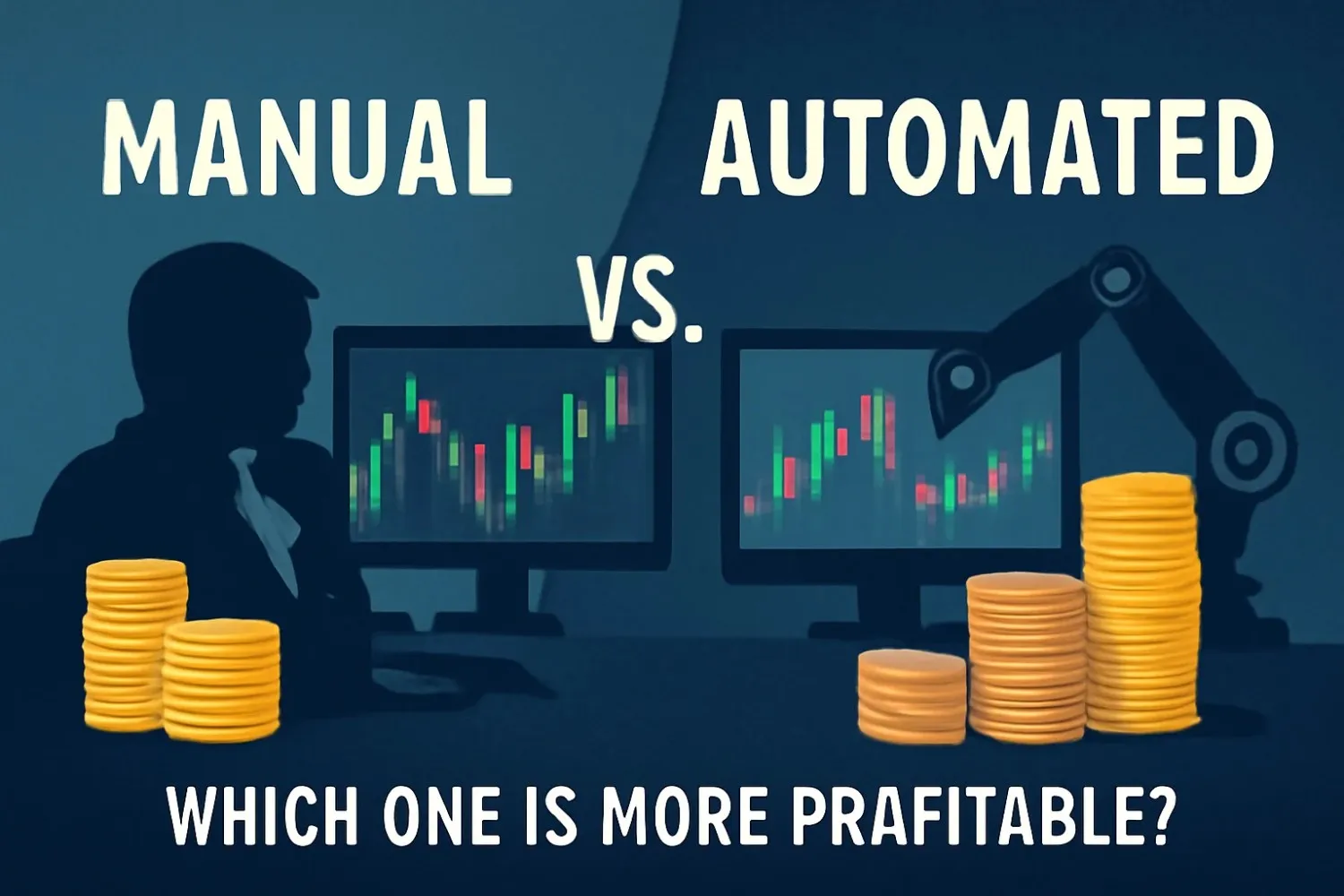
Forex trading, short for foreign exchange trading, is one of the most liquid and fast-paced markets in the world. Traders engage in buying and selling currencies in hopes of profiting from exchange rate fluctuations. Within the Forex market, two main trading methods dominate: manual and automated trading. While both strategies have their advantages and disadvantages, understanding which one is more profitable requires a deeper look into how they work, their key differences, and the factors that affect their profitability.
Understanding Manual Forex Trading
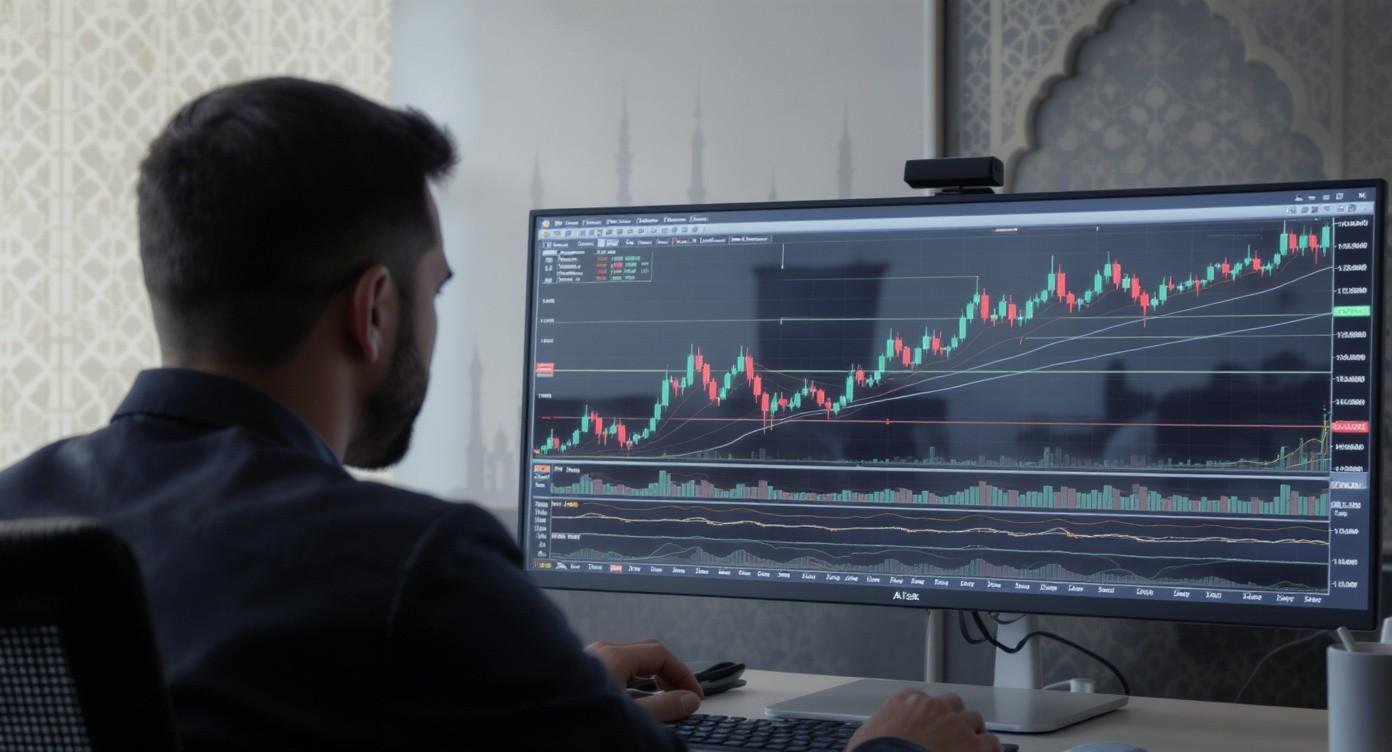
Manual forex trading is the traditional method where traders make all the decisions themselves. They analyze the market, develop strategies, and execute trades based on their own judgment. This style of trading requires in-depth knowledge of the market, technical analysis, and market trends. The trader’s ability to make quick decisions is critical, as forex markets can move rapidly. Manual trading involves using charts, indicators, news, and other tools to identify trade opportunities.
In manual trading, the trader’s experience and intuition play a significant role. They make decisions on when to enter or exit the market, how much to invest, and which currency pairs to trade. This type of trading allows for flexibility, as traders can adjust their strategies in real-time based on changing market conditions.
Advantages of Manual Forex Trading:
- Control and Flexibility: Traders have full control over their trading decisions. They can adjust their strategies as needed and make real-time decisions.
- No Dependence on Technology: Manual trading doesn’t rely on automated systems, reducing the risk of technical failures or bugs.
- Adaptability: Traders can quickly adjust to market changes or unexpected news events, something automated systems might struggle with.
Disadvantages of Manual Forex Trading:
- Time-Consuming: Manual trading requires continuous monitoring of the markets. It can be physically and mentally exhausting, especially for those trading in fast-moving markets.
- Emotional Impact: Trading decisions can be influenced by emotions such as fear, greed, or stress. These emotional responses can lead to poor decision-making.
- Skill Dependent: The profitability of manual trading is highly dependent on the trader’s skill and experience. Novice traders are more likely to make mistakes and incur losses.
Understanding Automated Forex Trading
Automated forex trading, also known as algorithmic trading or algo-trading, refers to the use of computer programs and algorithms to execute trades automatically based on predefined criteria. These systems are designed to analyze market data and place trades at optimal times without human intervention. The algorithms can be programmed to follow specific strategies, such as trend-following, mean-reversion, or statistical arbitrage.
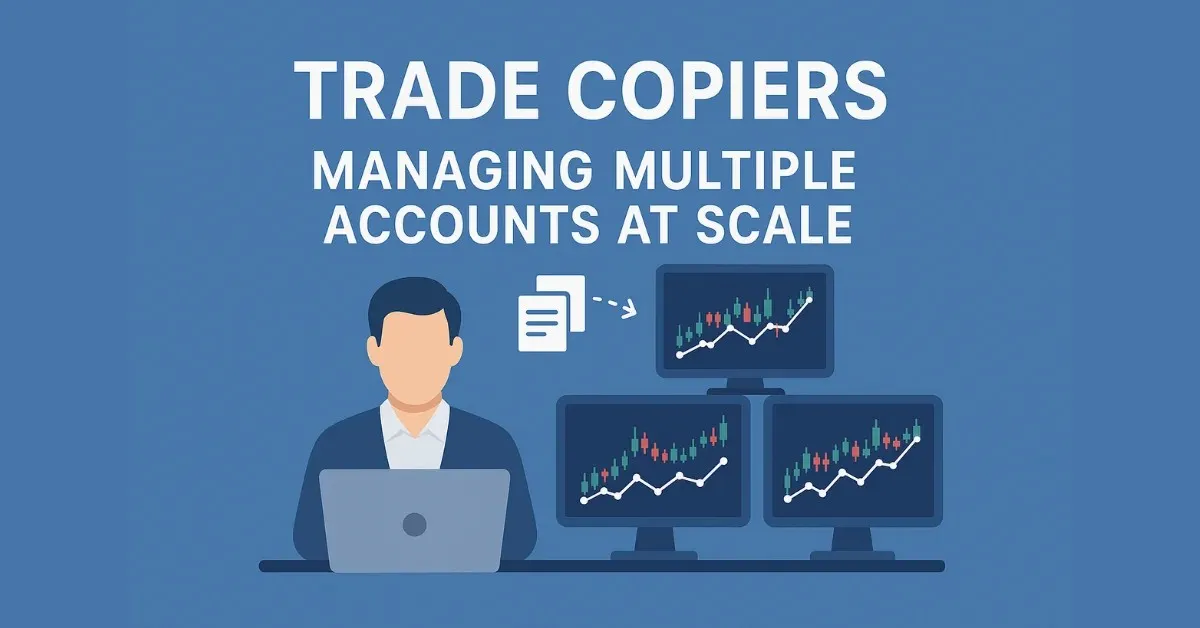
Automated trading systems can monitor the forex markets 24/7, ensuring that no trading opportunities are missed. These systems can also execute trades at lightning speed, which is an advantage in a market where prices can fluctuate in milliseconds. Many traders use automated trading alongside manual strategies to enhance their trading performance.
Advantages of Automated Forex Trading:
- Speed and Efficiency: Automated systems can execute trades faster than any human trader, taking advantage of opportunities that may only last a few seconds.
- Emotion-Free Trading: Automated systems follow strict rules and are not influenced by emotions, such as fear or greed, which can impair decision-making in manual trading.
- Consistency: Automated systems can execute strategies consistently without deviation. This consistency helps in reducing the impact of human errors or emotions.
- 24/7 Monitoring: Unlike manual traders who need rest, automated systems can trade continuously, even when the trader is not actively monitoring the market.
Disadvantages of Automated Forex Trading:
- Dependence on Technology: Automated trading systems depend on the technology used. If the system crashes, it could result in significant losses.
- Lack of Flexibility: Automated systems can’t adjust to sudden changes in the market in the same way a manual trader can. They follow a predefined strategy and may not account for unexpected events like geopolitical crises or economic shocks.
- Over-Optimization Risk: Some traders may over-optimize their algorithms based on past data, leading to a strategy that works well in backtesting but fails in live market conditions.
Comparing Profitability: Manual vs. Automated Forex Trading
When it comes to profitability, both manual and automated trading have their merits. However, the key to profitability lies in how the trader uses their chosen method and the market conditions at the time. Let’s examine how these two methods fare in terms of profitability.
Potential for Profit in Manual Trading
The profitability of manual forex trading largely depends on the trader’s skill set, experience, and ability to adapt to changing market conditions. Skilled traders who have a deep understanding of market analysis and trading psychology can potentially generate substantial profits. Moreover, manual trading allows for flexibility in reacting to real-time events, which can sometimes present profitable opportunities.
However, the manual approach also comes with higher risks. Emotional decision-making, lack of discipline, and the potential for human error can lead to significant losses. A trader’s consistency in following a well-thought-out strategy is often what separates profitable traders from those who lose money.
Potential for Profit in Automated Trading
Automated trading can offer significant advantages in terms of speed and consistency. Since algorithms are designed to operate based on predetermined rules, they execute trades without the interference of emotions, potentially improving profitability. In addition, automated systems can trade at any hour, ensuring that no opportunity is missed, especially in a market that operates 24 hours a day.
However, automated trading is not foolproof. If the algorithm is not properly optimized or if the market conditions change abruptly, the automated system may make losses. Additionally, over-optimization of a trading strategy can lead to poor performance in live markets, as the system may have been tuned too specifically to historical data.
Factors That Influence Profitability
- Market Conditions: The forex market is influenced by many factors such as global economic events, news, and geopolitical developments. In volatile conditions, manual traders may have an edge due to their ability to react quickly to sudden news. Automated systems may struggle in such scenarios.
- Risk Management: Both manual and automated traders must have a solid risk management plan in place. However, manual traders have the advantage of adjusting their risk management strategies in real-time, while automated systems are bound by their programming.
- Experience and Expertise: The more experienced the trader, the more likely they are to be profitable in manual trading. For automated systems, profitability depends on the quality of the algorithm and the accuracy of the data inputs.
Conclusion: Which One is More Profitable?
Both manual and automated forex trading can be profitable, but the choice depends on the individual trader’s strengths, preferences, and the trading environment. Manual trading allows for flexibility and control but requires significant time and emotional discipline. On the other hand, automated trading offers speed, consistency, and the ability to trade around the clock, though it requires proper system setup and can be vulnerable to technical failures.
For beginner traders, automated trading may be an attractive option as it can take emotions out of the equation and eliminate the need for constant market monitoring. Experienced traders who are skilled in technical and fundamental analysis may find manual trading to be more rewarding, as it allows them to adapt strategies in real time.
Ultimately, the most profitable approach depends on the trader’s ability to adapt their strategies to changing market conditions and use the tools at their disposal effectively. A combination of both methods—using manual analysis to identify opportunities and automated systems for executing trades—may provide the best of both worlds and lead to enhanced profitability.